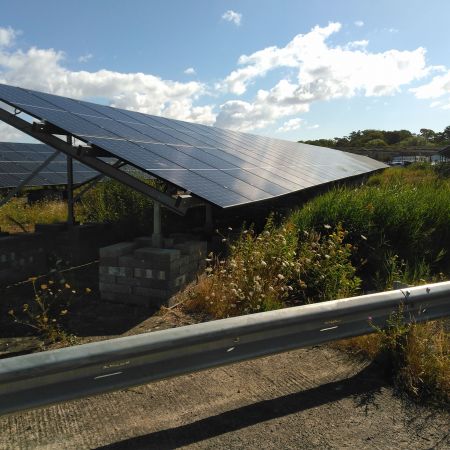

What can an unused industrial area become? At Barry, a former hard-standing industrial area has been transformed into a source of renewable energy and a thriving habitat for local plants and pollinators.
As part of a solar energy project at the Barry, UK site, careful steps were taken to protect and enhance the surrounding environment. The project included additional planning, environmental assessments and habitat relocation efforts to balance renewable energy generation with the protection of local biodiversity. Before construction began, environmental surveys identified more than 30 plant species across the area, including several considered environmentally important in South Wales. These findings helped inform the design of the project and the long-term management of the site.
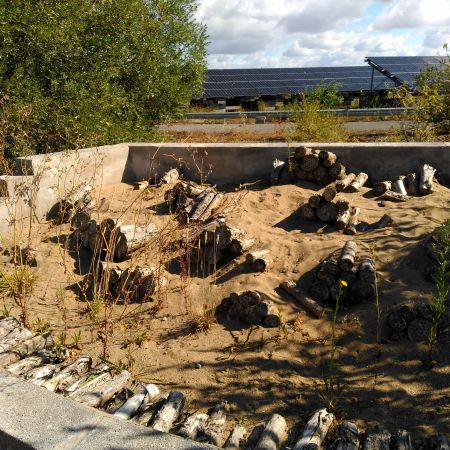
To help protect existing habitats, vegetation from areas needed for the solar installation was carefully relocated elsewhere on site. A bee bank was also established to provide nesting habitat for solitary mining bees, an important group of local pollinators.
The results have been positive. Ongoing monitoring shows that the plant species identified before construction remain present, including those that were relocated during the project. Recent assessments indicate that the transplanted vegetation is performing similarly to vegetation in its original location, suggesting the relocation effort has been successful.
The site continues to be actively managed to support biodiversity. Efforts include controlling invasive species, planning maintenance work around bird nesting seasons and flowering periods and minimizing disruption to wildlife through careful management of access and lighting. Additional assessments over the coming years will help guide future conservation efforts and support the long-term health of the habitat.
The project demonstrates how renewable energy investments can deliver benefits beyond carbon reduction, helping create and protect spaces where local wildlife can thrive alongside industrial operations.